Currently Empty: ₹0.00


About Course
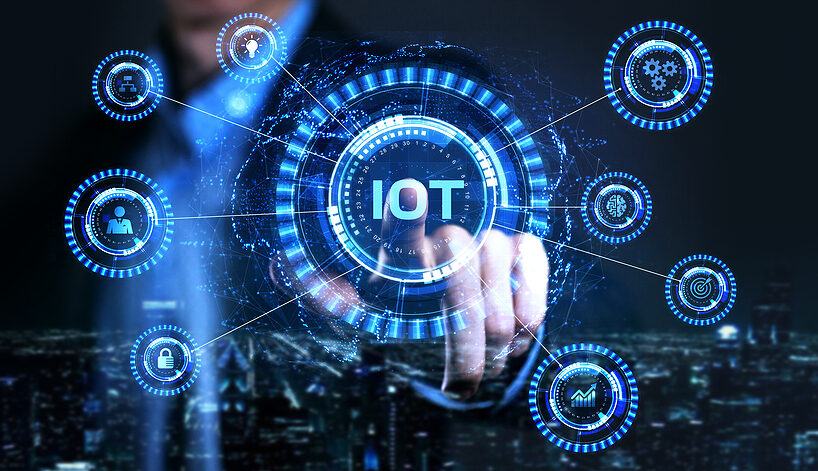
The Internet of Things (IoT) is a large network of physical objects—like smart appliances, vehicles, and wearable monitors—embedded with sensors and software that let them connect, collect, and share data over the internet without human help .
How It Works
- Sensors: Gather real-world data like temperature, movement, or light.
- Networks: Send this data safely using Wi-Fi, Bluetooth, or cellular networks.
- Cloud/Action: Process the info on remote computers to trigger a response, such as turning off a heater or sending an alert.
Common Examples
- Smart Homes: Smart thermostats, smart bulbs, and automated door locks.
- Wearables: Fitness trackers and smartwatches that track heart rates.
- Industry: Factory sensors that track machine parts and predict when they need repairs.
Benefits and Risks
- Benefits: Saves time, cuts energy waste, and automates hard work.
- Risks: Privacy worries and security threats if hackers break into poorly protected devices.
Course Content
Tags
- All Levels