Currently Empty: ₹0.00


About Course
Transportation & Infrastructure Engineering is a branch of civil engineering that focuses on the planning, design, construction, operation, and maintenance of transportation systems and public infrastructure. It aims to develop safe, efficient, sustainable, and cost-effective facilities that support the movement of people and goods while promoting economic growth and improving quality of life.
Core Components
-
Transportation Planning: Analyzing travel demand, traffic patterns, and land use to develop efficient transportation networks.
-
Highway & Pavement Engineering: Designing, constructing, and maintaining roads, highways, bridges, and pavement systems.
-
Traffic Engineering: Managing traffic flow, road safety, signal systems, and intelligent transportation systems (ITS).
-
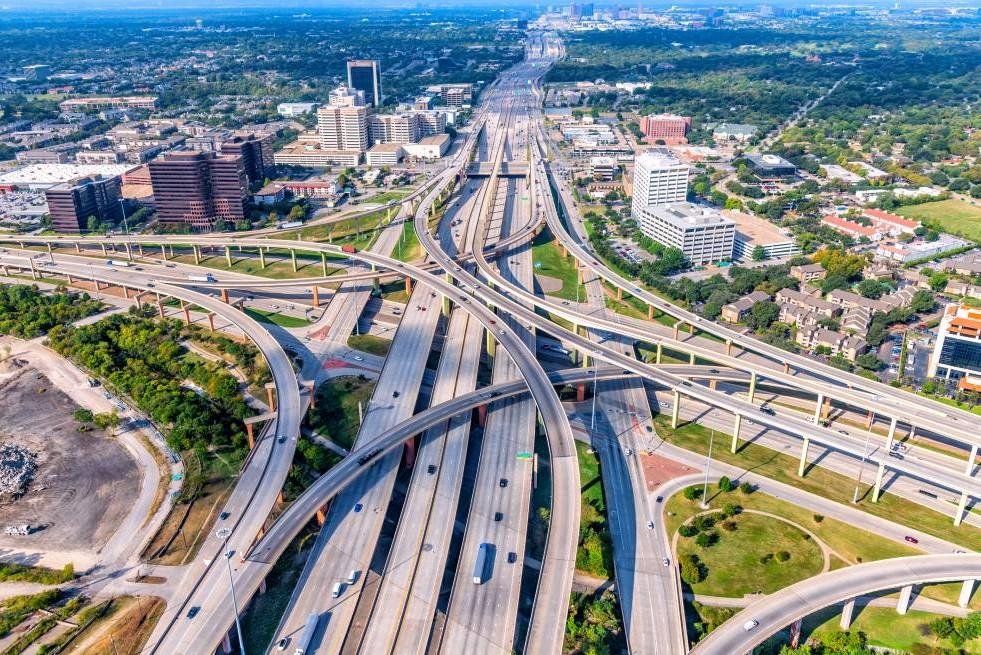
Infrastructure Development: Planning and constructing public infrastructure such as bridges, tunnels, airports, railways, ports, and urban transit systems.
The Transportation & Infrastructure Engineering Process
-
Planning & Feasibility Study: Assess transportation needs, traffic demand, environmental impact, and project feasibility.
-
Surveying & Site Investigation: Conduct topographical, geotechnical, and traffic surveys to collect essential design data.
-
Design & Analysis: Develop engineering designs for roads, bridges, railways, drainage systems, and transportation facilities.
-
Construction & Implementation: Build transportation infrastructure while ensuring quality, safety, and compliance with engineering standards.
-
Operation & Maintenance: Monitor infrastructure performance, perform regular maintenance, and implement upgrades to enhance safety and efficiency.
Common Use Cases
-
Highway Development: Construction and maintenance of national highways, expressways, and rural roads.
-
Urban Transportation: Development of metro rail systems, bus rapid transit (BRT), and smart traffic management solutions.
-
Bridge & Tunnel Construction: Designing and constructing bridges, flyovers, tunnels, and overpasses.
-
Airport & Railway Infrastructure: Planning and expanding airports, railway networks, and railway stations.
-
Smart Cities: Implementing intelligent transportation systems (ITS), traffic monitoring, and sustainable urban mobility solutions.
-
Logistics & Freight Transportation: Optimizing transportation networks for efficient movement of goods through roads, railways, ports, and airports.
Course Content
- Intermediate