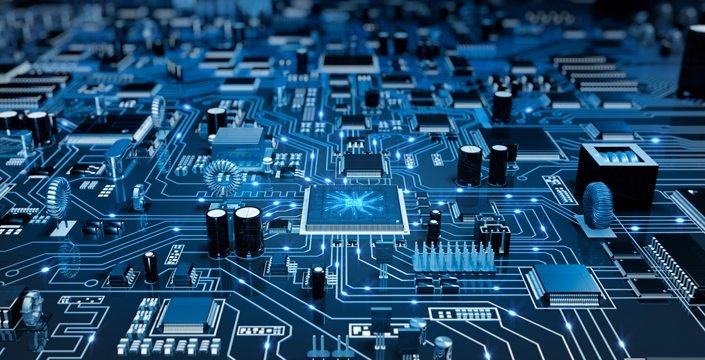
Embedded Systems is a specialized field of computer engineering that involves designing and developing dedicated computing systems integrated into hardware devices to perform specific tasks. These systems combine hardware and software to provide real-time, reliable, and efficient operation in applications ranging from consumer electronics to industrial automation.
Core Components
Microcontrollers & Microprocessors: The processing units (e.g., Arduino, ESP32, STM32, Raspberry Pi Pico) that execute embedded programs and control hardware.
Embedded Programming: Programming languages such as C, C++, and Embedded Python are used to develop firmware and control system behavior.
Sensors & Actuators: Sensors collect real-world data (temperature, humidity, motion, pressure), while actuators perform physical actions such as controlling motors, relays, or LEDs.
Communication Protocols: Interfaces like UART, SPI, I2C, CAN, Bluetooth, Wi-Fi, and MQTT enable communication between devices and external systems.
The Embedded System Development Process
Requirement Analysis: Define the system’s functionality, performance, power consumption, and hardware requirements.
Hardware Design: Select microcontrollers, sensors, communication modules, and other electronic components.
Firmware Development: Write and test embedded software to control hardware and implement system logic.
Integration & Testing: Connect hardware and software, validate functionality, and perform debugging under real-world conditions.
Deployment & Maintenance: Deploy the embedded system, monitor performance, and update firmware to improve reliability and add new features.
Common Use Cases
Smart Home Automation: Controlling lighting, security systems, thermostats, and smart appliances.
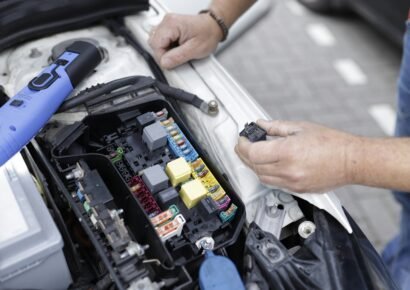
Automotive Systems: Engine control units (ECUs), anti-lock braking systems (ABS), airbags, and advanced driver assistance systems (ADAS).
Healthcare Devices: Patient monitoring systems, wearable health trackers, insulin pumps, and portable diagnostic equipment.
Industrial Automation: Robotics, PLCs, smart manufacturing, and process monitoring systems.
Internet of Things (IoT): Smart agriculture, environmental monitoring, asset tracking, and connected wearable devices.
Consumer Electronics: Smart TVs, washing machines, microwave ovens, digital cameras, gaming controllers, and wearable gadgets.